Hublot watches generate more discussion than almost any other luxury timepiece. Some collectors love them. Others don’t quite know what to make of them or – without ever explaining why – downright hate them. Either way, Hublot has never been a company interested in following the traditional Swiss watchmaking playbook.
The Origin of Hublot Watches
Founded in 1980 by Carlo Crocco, Hublot entered the luxury watch market with a simple but controversial idea: pair a precious metal case with a rubber strap. Today that sounds normal, but at the time it was almost unheard of. That willingness to challenge convention became part of the brand’s DNA and continues to define Hublot more than four decades later.
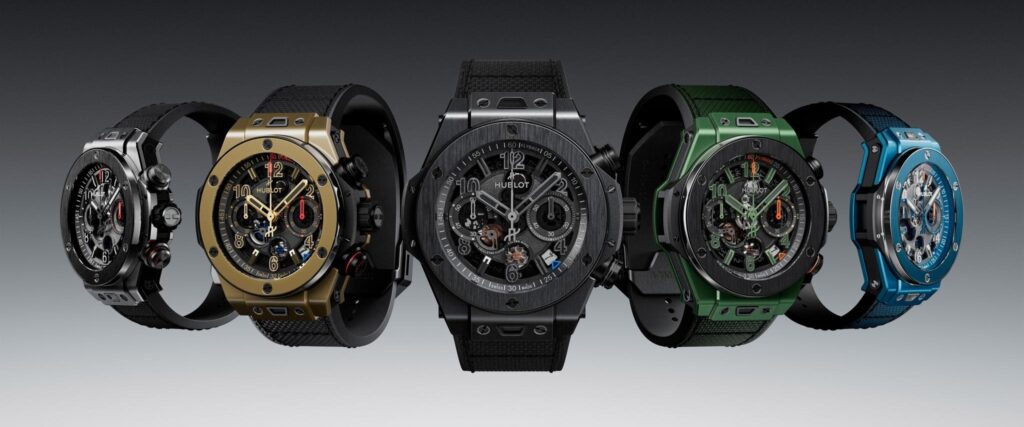
What Makes Hublot Watches Different?
The word Hublot means “porthole” in French, and that distinctive porthole-inspired case design remains one of the brand’s most recognizable features. Over the years, Hublot has built its reputation around what it calls the “Art of Fusion”—combining traditional Swiss watchmaking with modern materials, innovative engineering, and bold design.
While many luxury watch brands focus on heritage and tradition, Hublot has often looked toward the future. The company has been a pioneer in the use of materials such as ceramic, titanium, carbon fiber, sapphire crystal, and proprietary alloys like Magic Gold, a scratch-resistant 18K gold developed in-house. The result is a collection of watches that feel modern, technical, and unmistakably Hublot.
The Big Break
Of course, no discussion of the brand would be complete without mentioning the Big Bang.
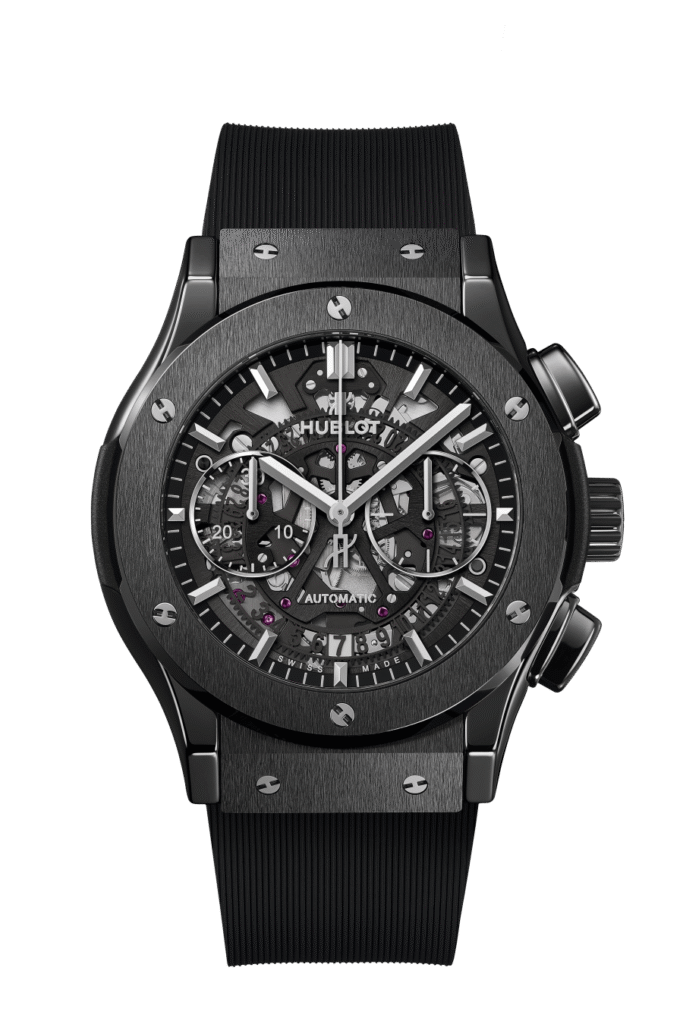
Introduced in 2005, the Big Bang transformed Hublot from a niche luxury manufacturer into a global powerhouse. Its aggressive styling, exposed screws, layered case construction, and oversized presence stood out in a market dominated by more traditional designs. The collection has since expanded into everything from straightforward chronographs to highly complicated tourbillons, perpetual calendars, and sapphire-cased showpieces.
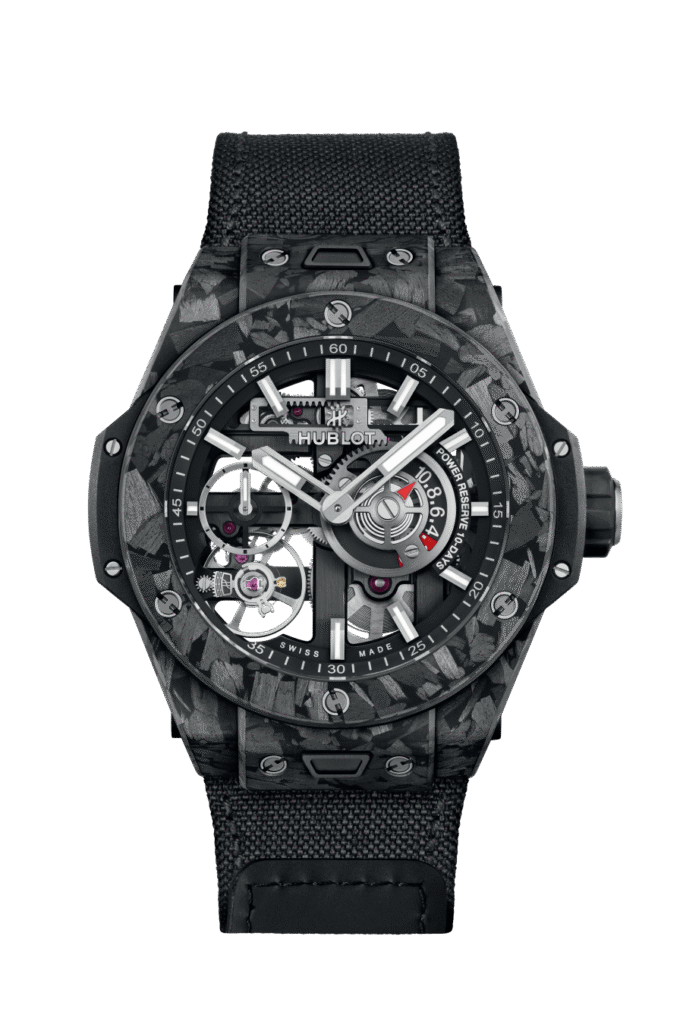
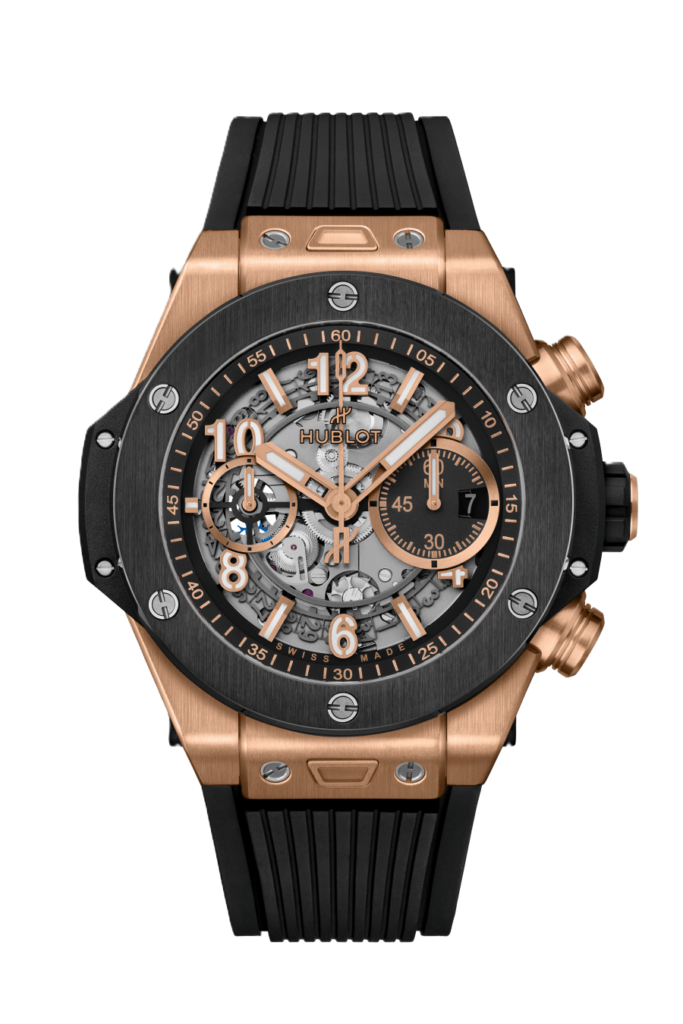
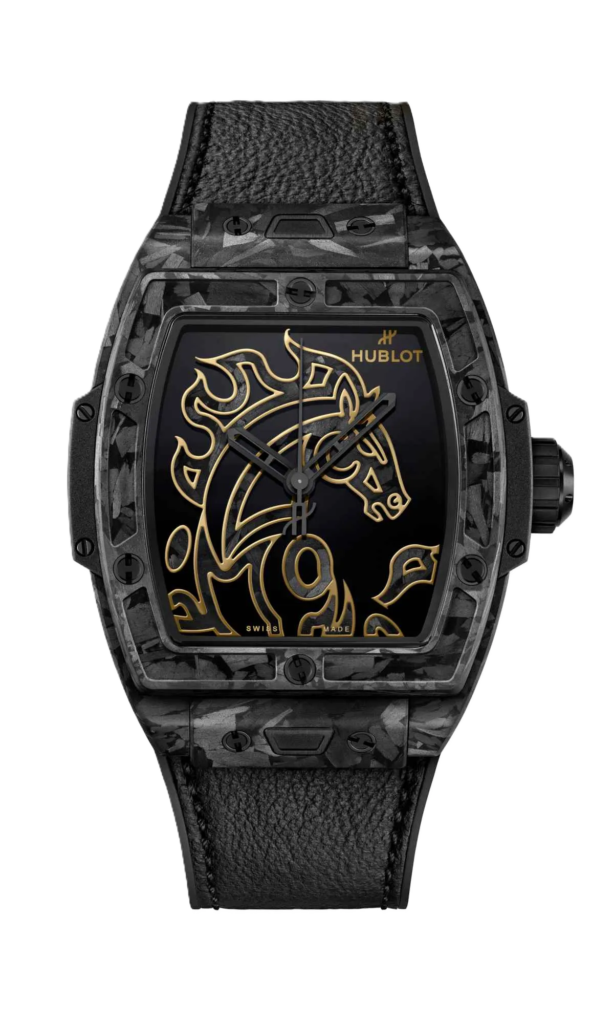
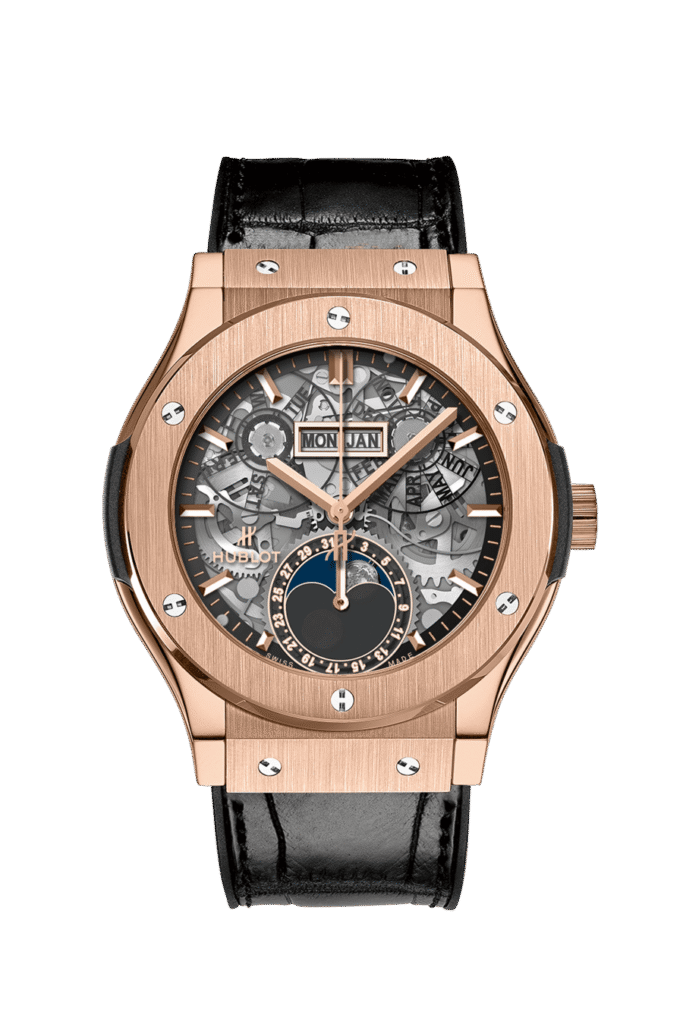
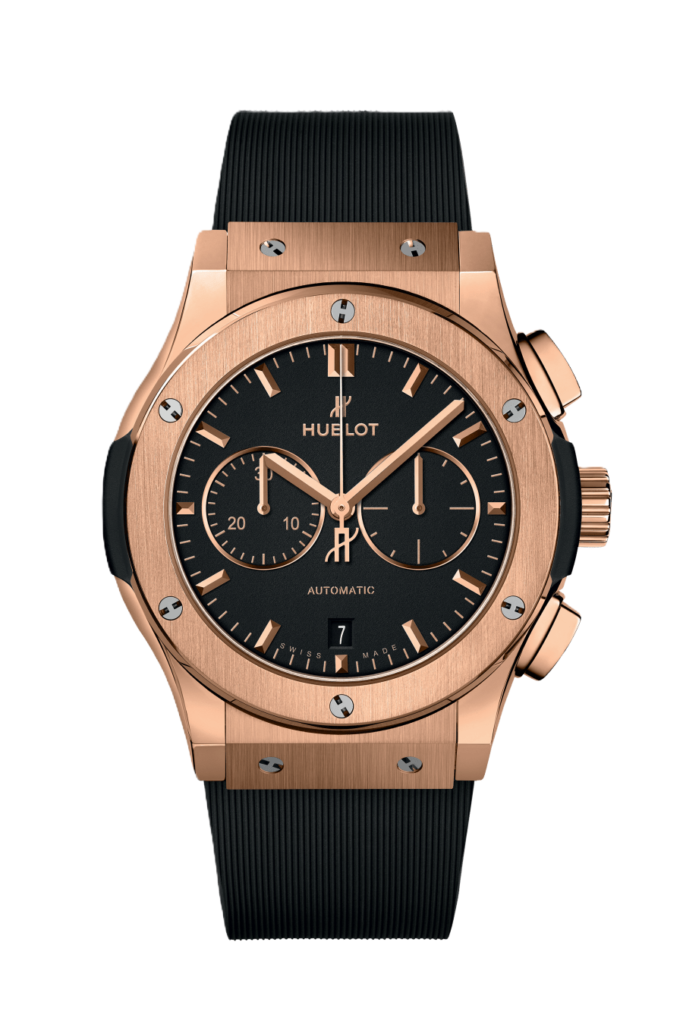
For collectors who prefer something a bit more understated, the Classic Fusion offers a cleaner and more refined interpretation of the Hublot design language. While it retains the brand’s signature case shape and modern aesthetic, the Classic Fusion wears slimmer and more elegantly than its Big Bang sibling. It’s often the model that attracts buyers who appreciate Hublot’s design philosophy but don’t necessarily want a watch that announces itself from across the room.
It’s How They Move
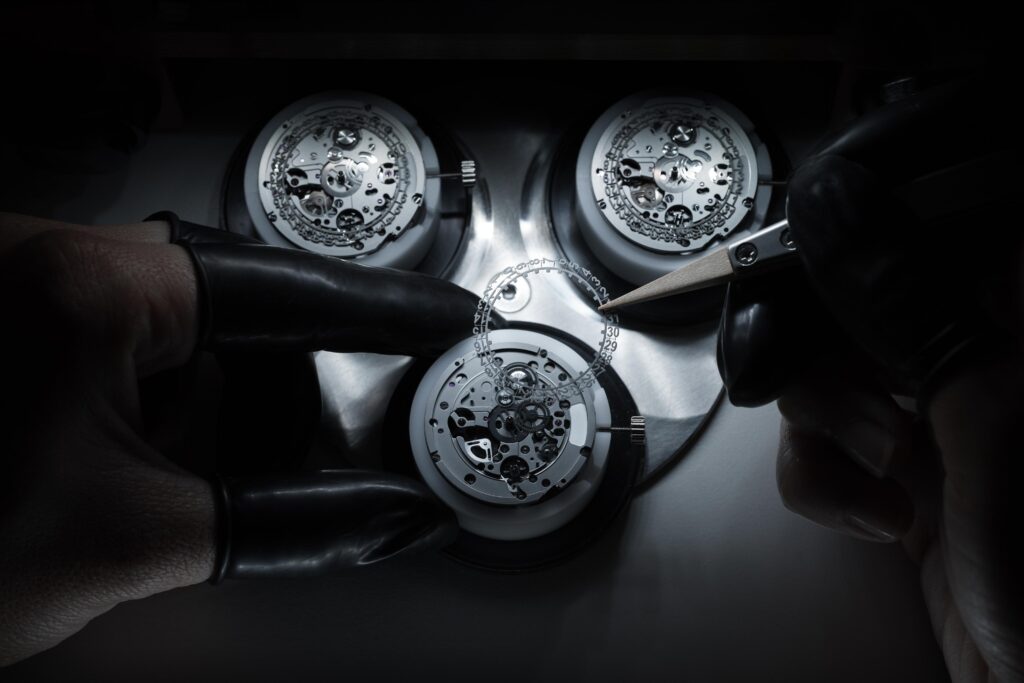
One of the biggest misconceptions about Hublot is that the watches are all about looks. While the design certainly grabs attention, the company has invested heavily in movement development over the years. The introduction of the Unico manufacture chronograph movement marked a significant step forward for the brand, giving Hublot a technically impressive in-house platform that remains one of the highlights of the modern collection.
Never Part of the Crowd
Over the years, I’ve noticed that Hublot buyers tend to have a different mindset than many traditional collectors. They’re usually not chasing the watch that everyone else wants. They’re looking for something that reflects their own personality and style. They appreciate innovation, modern materials, and a design that stands apart from the crowd (Those that know me know I have this exact viewpoint). Rolex, Patek Philippe, and Audemars Piguet have built their reputations on tradition. Hublot built its reputation by challenging it. The brand appeals to collectors who appreciate innovation, modern materials, contemporary styling, and a watch with a little attitude.
More Than Watches: Hublot’s Connection to Sports, Music, and Art
While many luxury watch companies focus primarily on their heritage, Hublot has spent decades building relationships with some of the biggest names in sports, music, entertainment, and contemporary art.
In sports, Hublot has partnered with world-class athletes including Usain Bolt, Kylian Mbappé, and Novak Djokovic, while also serving as the official timekeeper for major international competitions such as the FIFA World Cup and UEFA Champions League.
The brand’s connection to music has been equally significant. Hublot collaborated with Depeche Mode on two limited-edition Big Bang models that helped raise money for the charity “WATER”, bringing together luxury watchmaking, music, and philanthropy. The company also partnered with Jay-Z to create the Shawn Carter by Hublot limited edition. These are just the proverbial “tip of the tip” of the iceberg of Hublot’s collaborations.
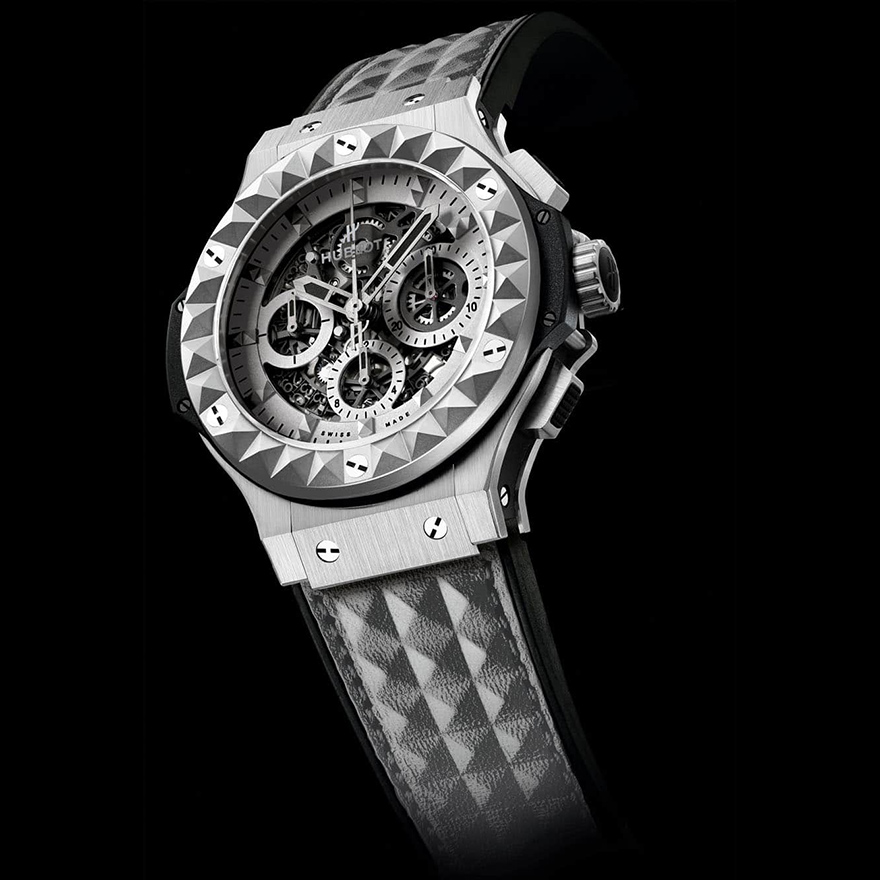
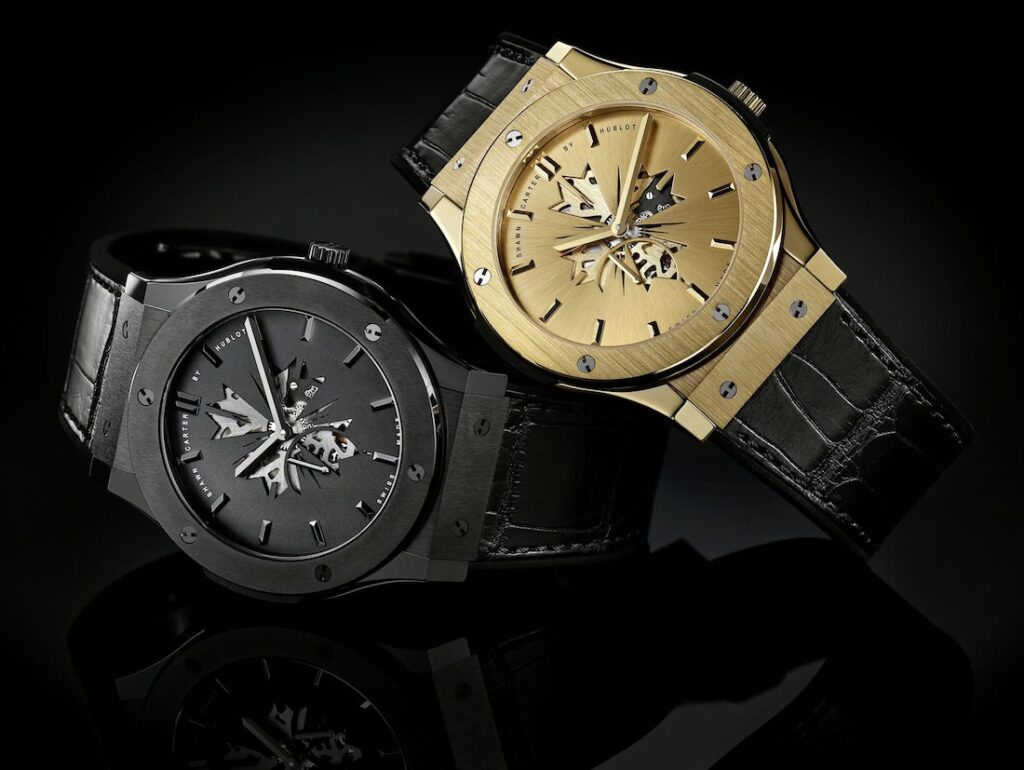
Hublot’s cultural partnerships extend beyond music as well. Renowned concert pianist Lang Lang has served as both an ambassador and collaborator, helping introduce the brand to a new audience of classical music enthusiasts. In the world of contemporary design and art, Hublot has worked with British designer Samuel Ross and internationally acclaimed Japanese artist Takashi Murakami, whose colorful flower-inspired limited editions have become some of the most recognizable and collectible Hublot releases in recent years.
These collaborations are more than simple celebrity endorsements. In many cases, they resulted in genuinely unique watches that reflected the personalities, creative vision, and passions of the people involved. Whether through sports, music, art, or philanthropy, these partnerships have helped shape Hublot into a brand that feels connected to modern culture in a way few traditional Swiss watchmakers can match.
The Weird and the Wonderful
Hublot didn’t just make some avant-gard designs – they took that ball and ran with it. There are definitely some innovations by other manufacturers out there, but Hublot continues to push the envelope with their “Exceptional Timepieces” editions. In keeping with their history of blending unique materials together, these watches stretch not only the imagination, but the wallet as well. MSRP’s start at$73,000 for the MP-17 Meca-10 Arsham Splash to the MP-10 Tourbillion Weight Energy System All Sapphire for $483,000. I can pretty well guarantee you will definitly not see another person wearing whichever of these watches you choose.
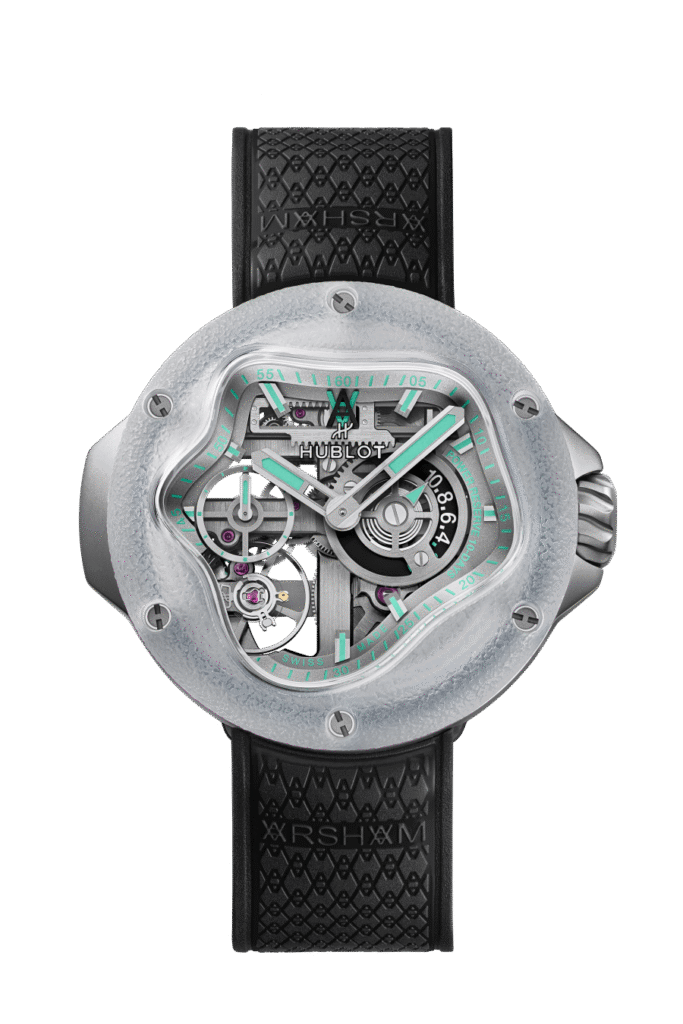
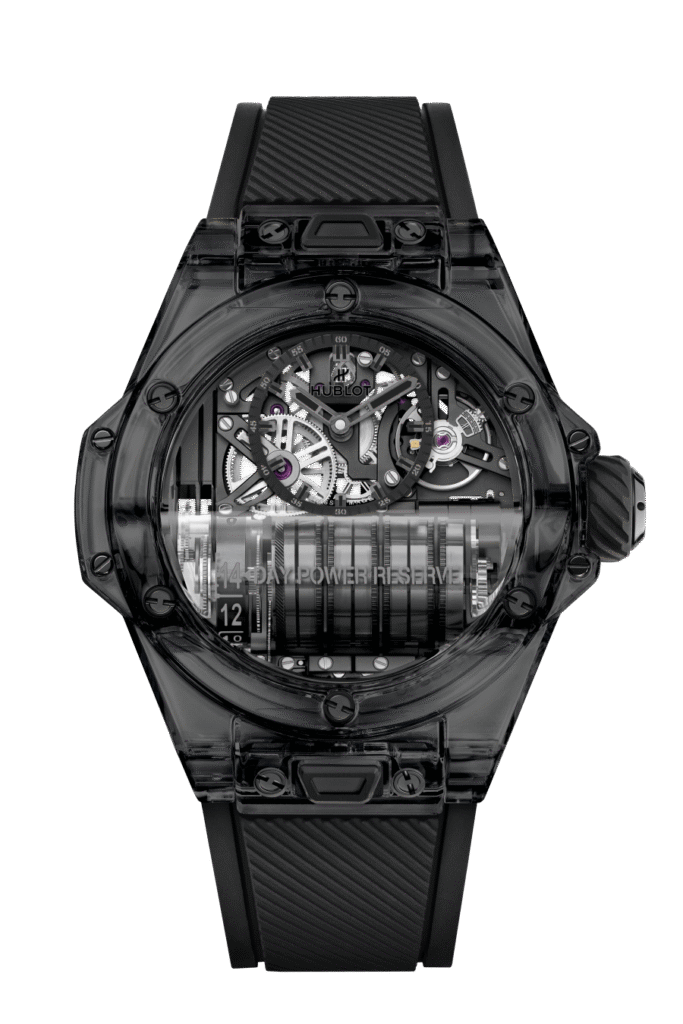
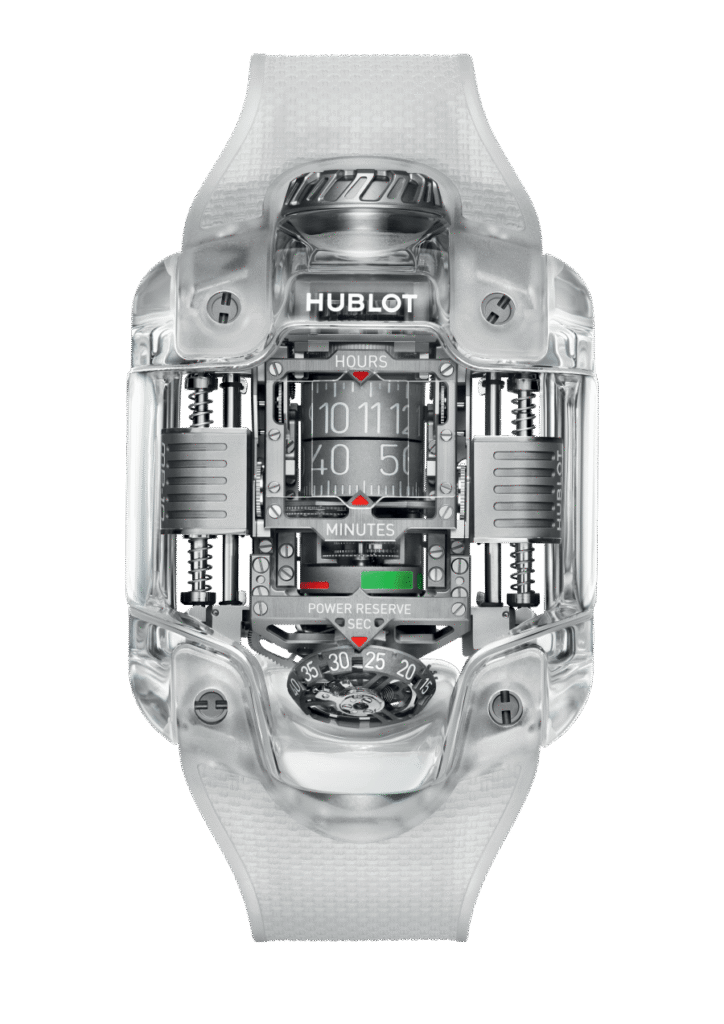
Love them or hate them, Hublot has accomplished something very few watch brands ever achieve: instant recognition. You can spot a Hublot from across a room, and that’s exactly the point. In a world filled with watches inspired by the past, Hublot continues to push forward—and for many collectors, that’s what makes the brand so appealing.