Rolex watches are synonymous with luxury and sophistication, but they are also highly sought after by watch collectors and enthusiasts around the world. From their timeless designs to their impeccable craftsmanship, Rolex watches are the epitome of elegance and class.
In this blog post, we’ll explore the history of Rolex watches, their iconic designs, and the reasons why they are considered a valuable investment.
The History of Rolex Watches
Rolex was founded in 1905 by Hans Wilsdorf and Alfred Davis in London, England. The company initially focused on producing high-quality wristwatches, but soon became known for their innovative designs and precision timekeeping.
In 1910, Rolex was the first watchmaker to receive the Swiss Certificate of Chronometric Precision, a distinction that was previously reserved for marine chronometers. This certification set the standard for accuracy in wristwatches, and Rolex continues to be known for their precision timekeeping to this day.
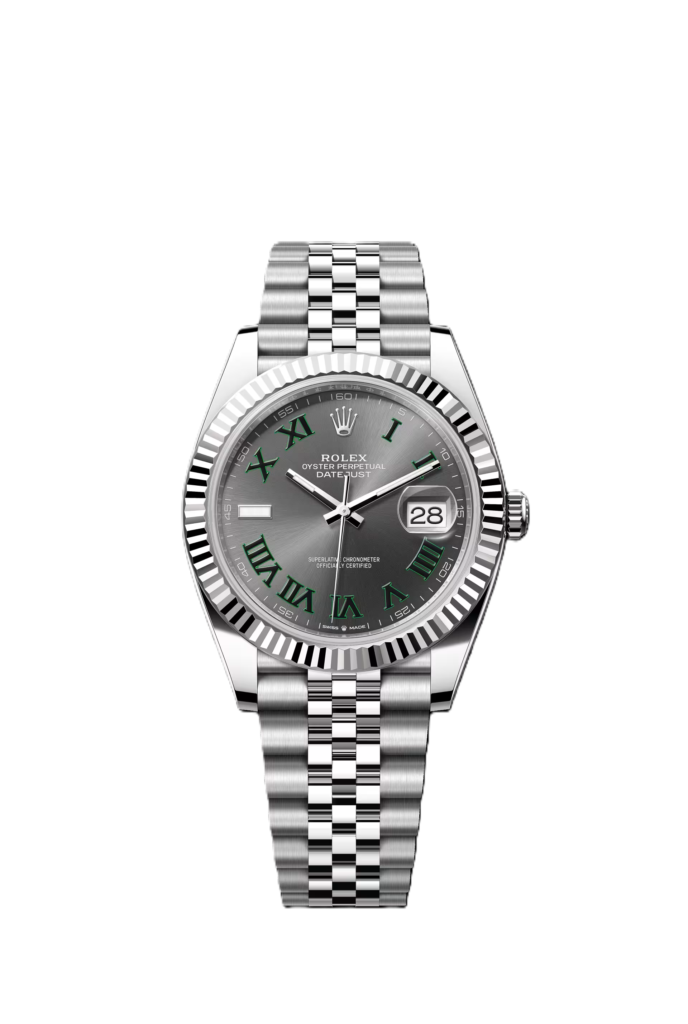
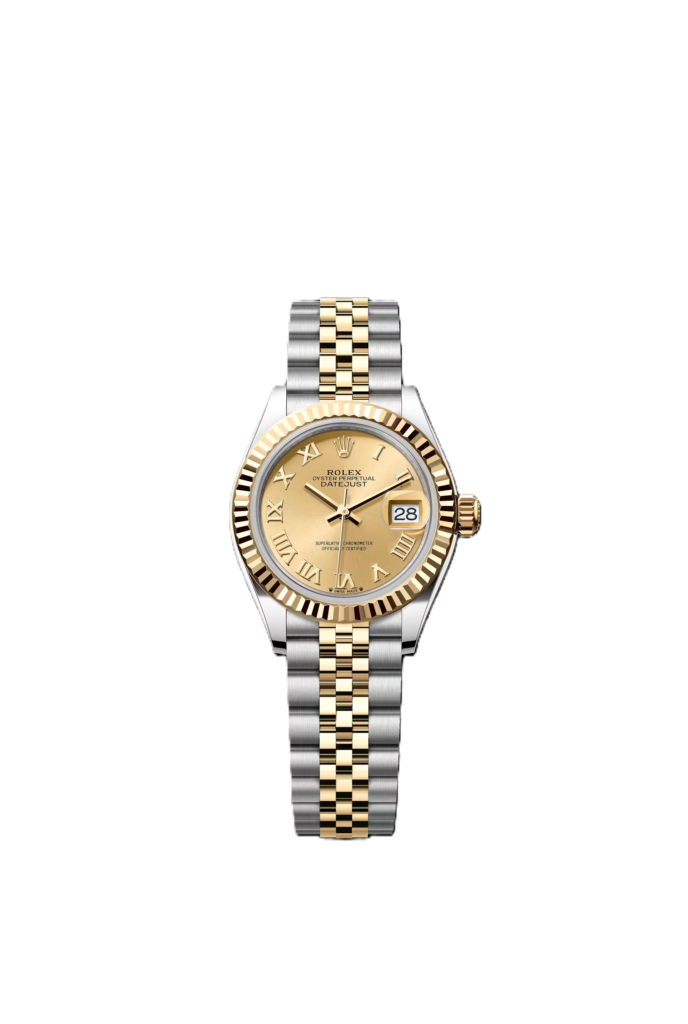
Throughout the years, Rolex has developed many iconic designs, including the Datejust, the Submariner, and the Day-Date. These watches have becFew names in watchmaking carry the recognition of Rolex.
For more than a century, Rolex has built its reputation not simply on luxury, but on producing watches designed to be worn, relied upon and, in many cases, pushed far beyond the environment of a traditional dress watch.
The Beginning
The story began in 1905, when Hans Wilsdorf and Alfred Davis established their watch business in London. Wilsdorf was an early believer in the future of the wristwatch at a time when pocket watches still dominated men’s timekeeping.
The name Rolex was registered in 1908, and precision quickly became central to the company’s identity. In 1910, a Rolex wristwatch received the first Swiss Certificate of Chronometric Precision awarded to a wristwatch by the Official Watch Rating Centre in Bienne—an important milestone at a time when wristwatches were still fighting to be taken as seriously as larger timepieces.
Rolex relocated its operations to Geneva in 1919, where the company continued developing the combination of accuracy, durability and water resistance that would ultimately define the brand.
One of its greatest breakthroughs arrived in 1926 with the Oyster, a water-resistant wristwatch case. The concept was famously demonstrated the following year when swimmer Mercedes Gleitze crossed the English Channel wearing a Rolex Oyster; although the watch was exposed to the elements for the duration of the swim, Gleitze did not complete the crossing on that attempt.
That combination of engineering and very effective storytelling would become a Rolex hallmark.
The Watches That Defined Rolex
Several models introduced during the middle of the 20th century remain cornerstones of the Rolex collection today.
The Datejust, introduced in 1945, combined the Oyster case with an automatically changing date display and established a design language that remains unmistakably Rolex more than 80 years later.
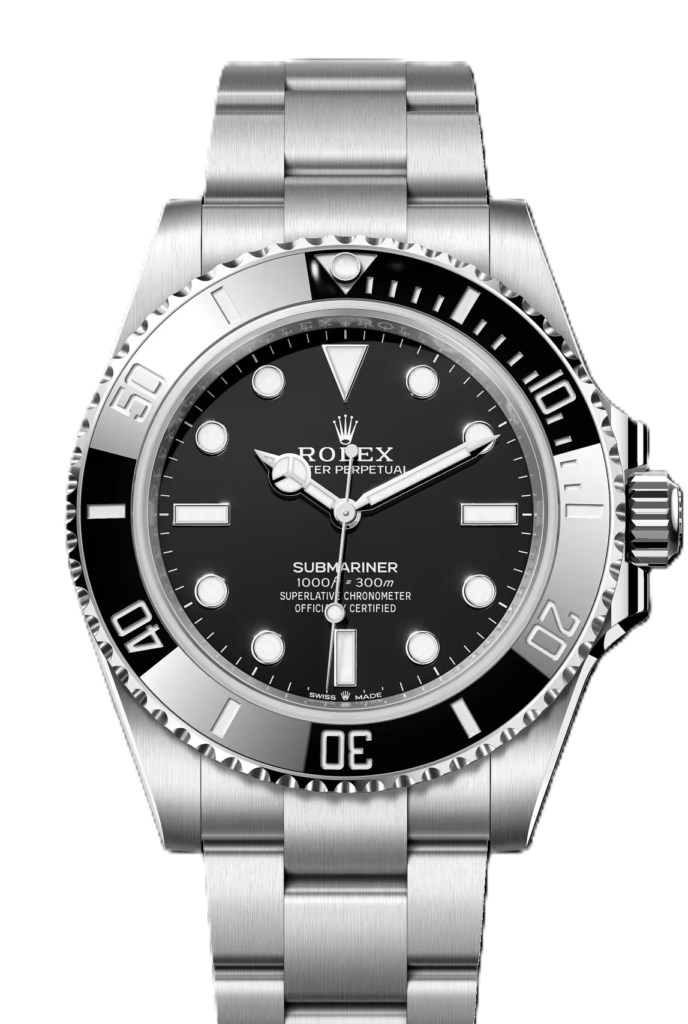
The Submariner was introduced in 1953 as a purpose-built professional diving watch. What began as a serious underwater instrument eventually became one of the most recognizable sports watches ever produced.
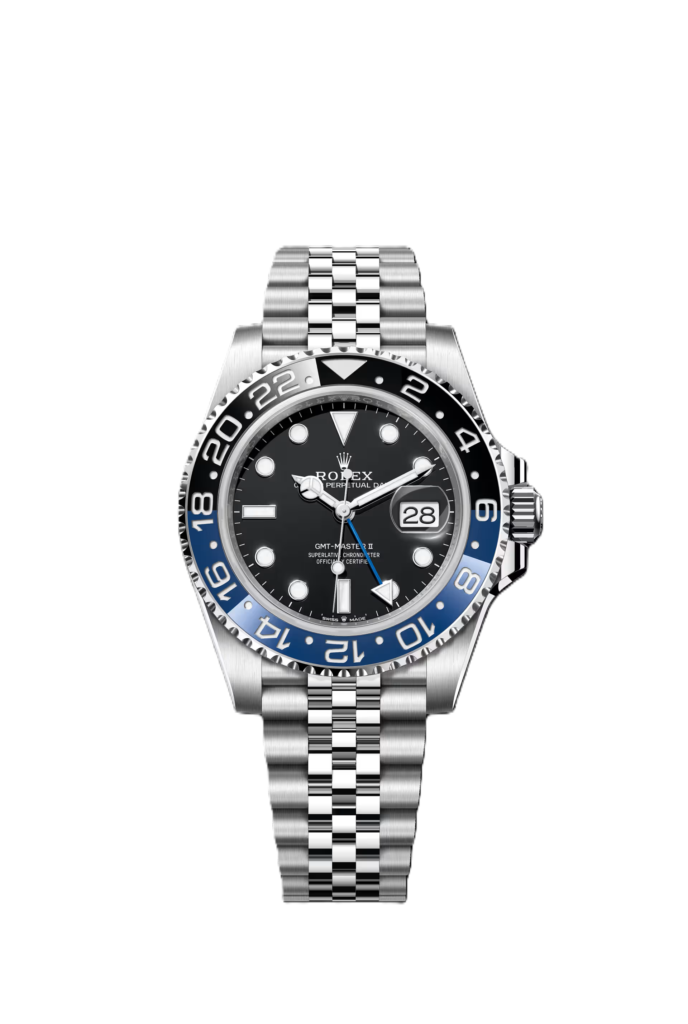
The GMT-Master followed in 1955, developed with Pan American World Airways during the emerging age of international commercial aviation and allowing its wearer to track multiple time zones.
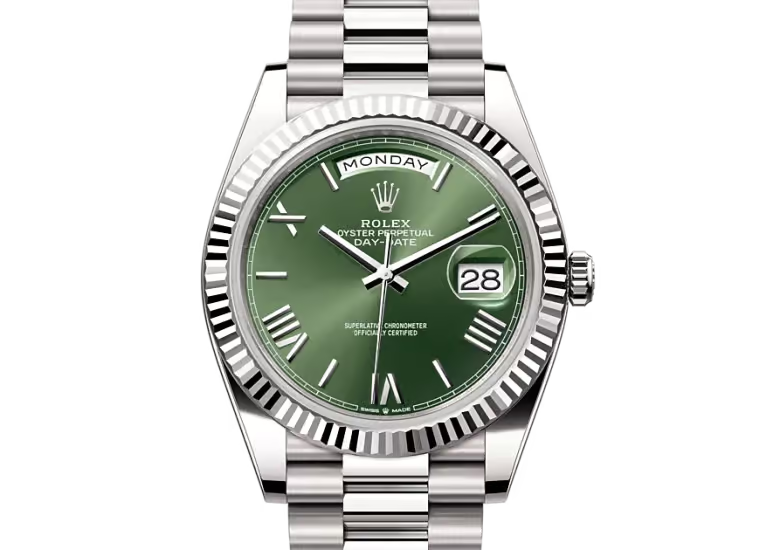
In 1956 came the Day-Date, displaying both the date and the day of the week written in full. Produced exclusively in precious metals, it eventually became closely associated with business leaders, celebrities and heads of state—earning its enduring nickname, the “President.”
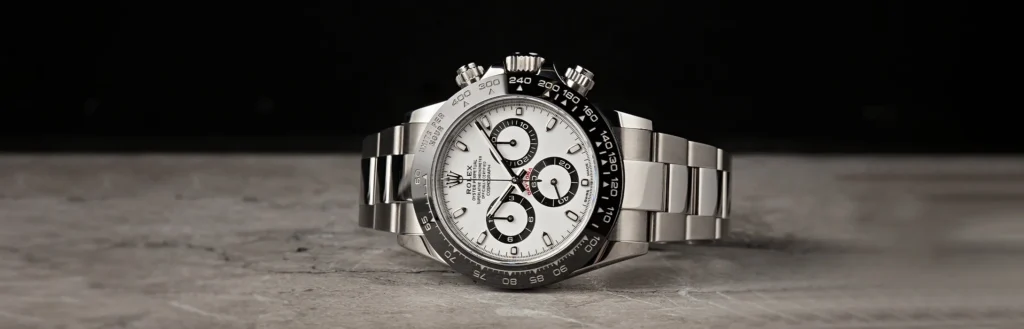
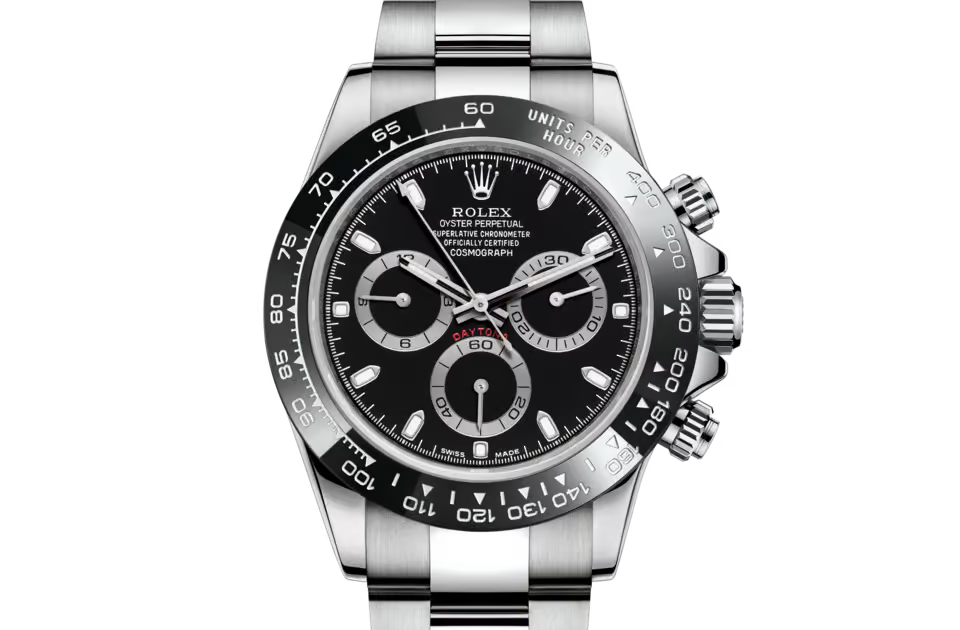
Then there is the Cosmograph Daytona. Introduced in the early 1960s and associated with motorsports, the Daytona evolved from a relatively specialized chronograph into one of the most desirable watches in the world. The “Daytona” name was added to the dial in 1965, and the model’s association with actor and racing enthusiast Paul Newman later became central to its collector mythology.
The Classics – and the Modern Rolex
Today, the Rolex catalog still revolves around many of these historic families.
The Datejust, Day-Date, Oyster Perpetual and 1908 represent the more traditional side of Rolex, while the Submariner, GMT-Master II, Cosmograph Daytona, Explorer, Explorer II, Sea-Dweller and Deepsea continue the company’s Professional-watch heritage.
Rolex has also been willing to move beyond its traditional formula.
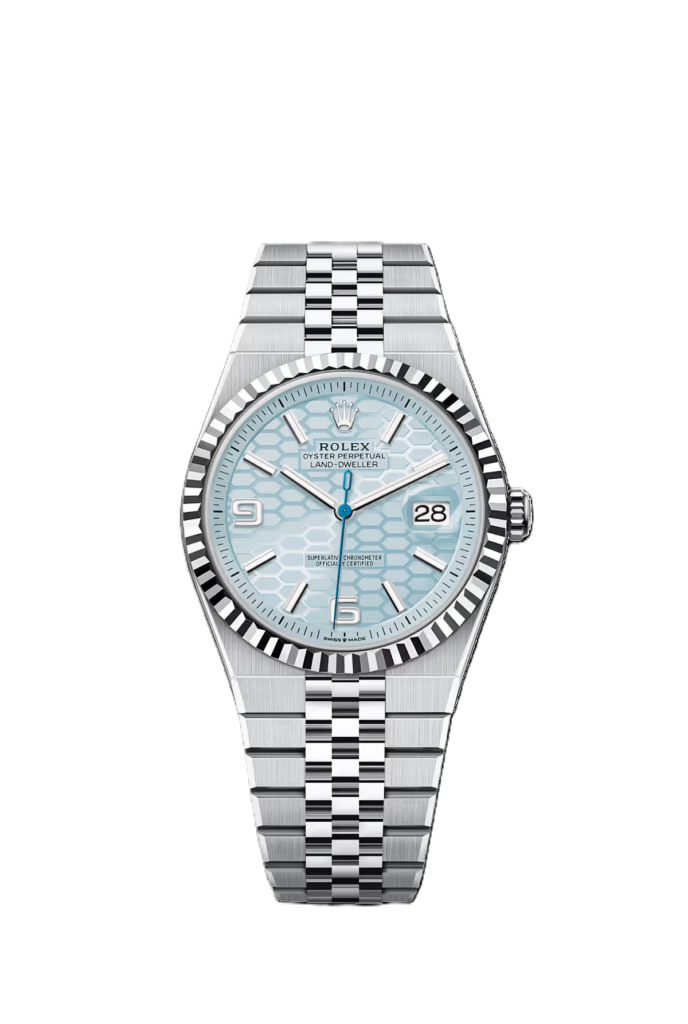
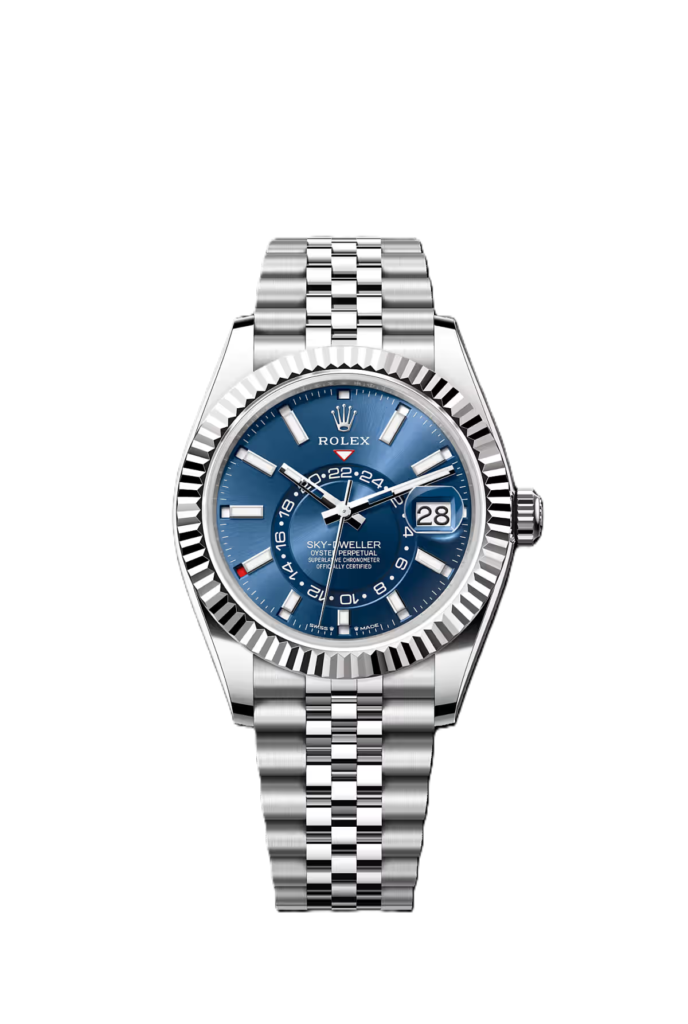
The Sky-Dweller, introduced in 2012, brought an annual calendar and dual-time display to the collection. The Yacht-Master and Yacht-Master II explored a more luxurious interpretation of Rolex’s nautical heritage, while the Land-Dweller, introduced in 2025, brought an integrated-bracelet design and a new high-frequency movement to the modern catalog.
Even when Rolex introduces something new, however, the family resemblance is rarely lost.
Rolex and Popular Culture
Part of the fascination with Rolex comes from the people who have worn them.
Paul Newman is forever connected with the Daytona, particularly the exotic-dial references that collectors eventually nicknamed the “Paul Newman Daytona.” Newman did wear a Daytona, although the exact history of individual watches associated with him should be distinguished from later auction and collector claims.
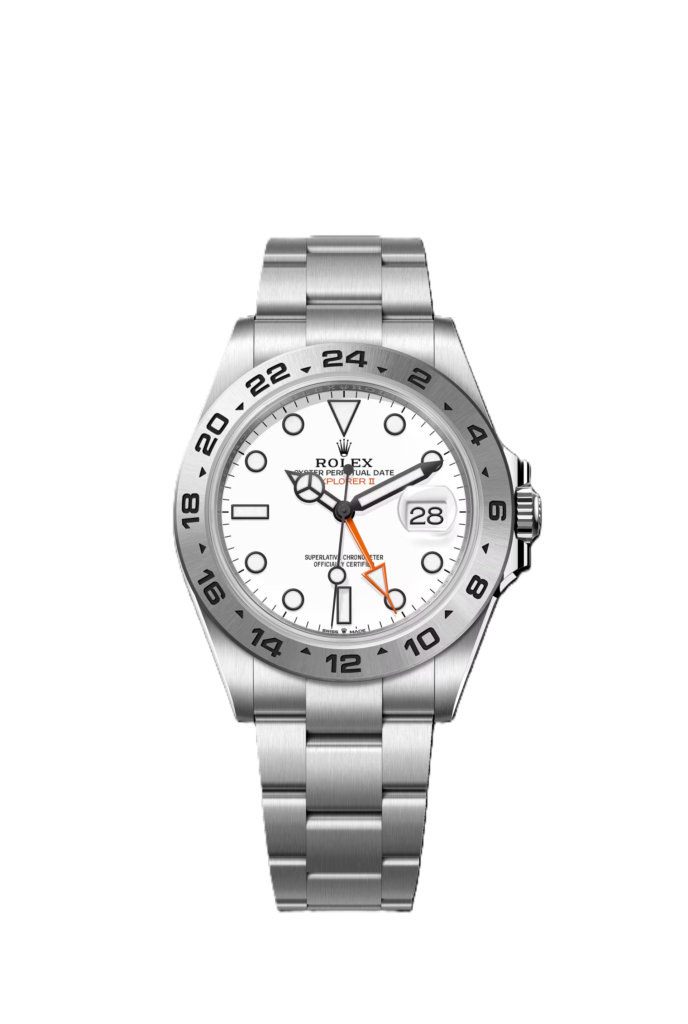
Steve McQueen became closely associated with the Explorer II in popular watch culture, although photographs more clearly document his personal use of a Submariner – one of several examples where Rolex mythology and actual history don’t always line up perfectly.
Other well-known Rolex wearers have included Marlon Brando, Martin Luther King Jr., Winston Churchill, Dwight D. Eisenhower, James Cameron, Roger Federer and Tiger Woods, among many others. The nature and documentation of those associations vary, and some are based on confirmed personal ownership while others reflect public appearances, gifts or broader cultural association.
Perhaps most importantly, Rolex watches have appeared on the wrists of explorers, pilots, divers, racing drivers and mountaineers—not simply celebrities.
Why Rolex Holds Its Appeal
Rolex occupies an unusual position in the watch world.
It produces luxury watches, certainly, but many of its most famous designs originated as functional tools. The Submariner was created for diving. The GMT-Master was developed for international aviation. The Daytona was designed around motorsports. The Explorer was born from the era of high-altitude exploration.
That history gives the watches an authenticity that can’t simply be created through marketing.
Rolex watches also tend to retain value better than many luxury-watch brands, although that varies considerably by reference, configuration, condition, provenance and market cycle. Certain discontinued, rare or historically important pieces have appreciated dramatically, while others trade below their original retail prices. Past performance is not a guarantee of future results, and transaction costs, taxes and servicing can materially affect any return.
That’s an important distinction: a watch should be purchased first because you want to own and wear it – not because you expect it to make you money.
What Rolex has demonstrated remarkably well is staying power.
A Submariner from decades ago is immediately recognizable beside one made today. The same is true of the Datejust, Day-Date, GMT-Master and Daytona. Rolex continually changes the engineering underneath the surface while carefully protecting the identity of the watches themselves.
That combination of heritage, engineering, recognition and continuity is ultimately what makes Rolex different.
You aren’t simply buying a name on a dial. You’re buying into more than a century of watchmaking history – and, with the right Rolex, something that can remain relevant long after trends have come and gone.